
Product Selection2026-11-10
Choosing a Mould Release Agent: The Right Product in Die Casting and Injection
A release agent does more than eject the part; it protects the mould and sets the surface and cycle time. Selection criteria by process.
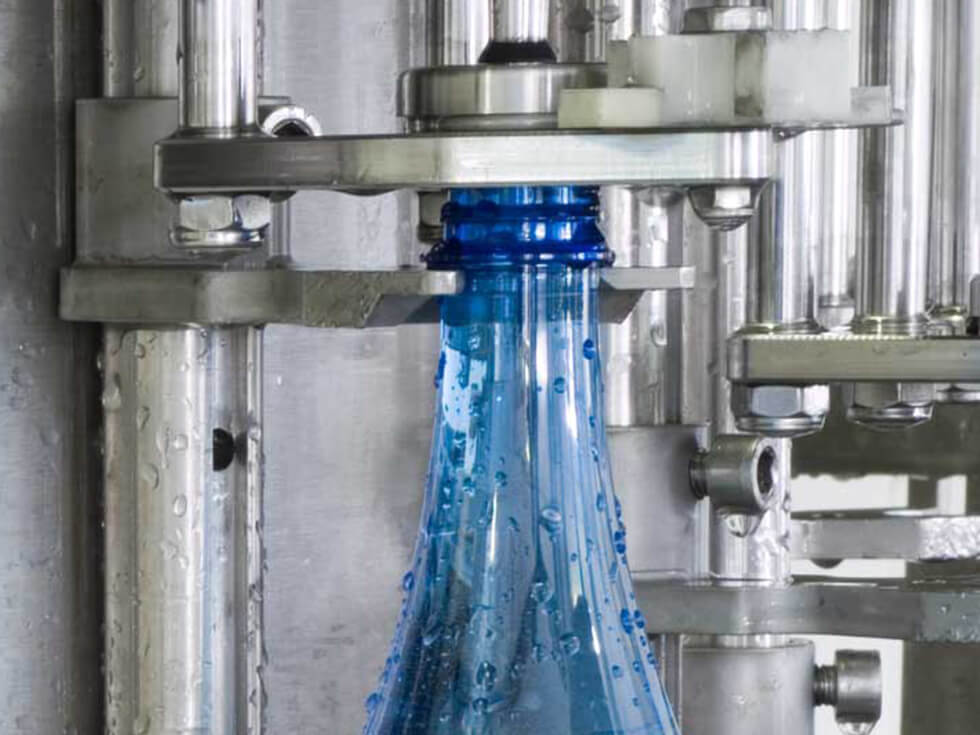
A mould release agent lets the part separate cleanly from the mould; but its role does not end there. The right product sets mould life, surface quality, cycle time and compatibility with the next operation (paint/coating). The wrong choice means sticking, build-up and scrap.
It varies by process
- —Die casting (aluminium/zinc/zamak): Water-based releases that lubricate the hot mould surface and leave an even film are common. Temperature resistance and dilution ratio are critical.
- —Plastic injection: Silicone or silicone-free options; silicone-free is preferred for parts to be painted/coated (silicone repels paint).
- —Rubber: Formulas that prevent sticking without leaving build-up on the mould.
- —Composite/polyurethane: Permanent or semi-permanent releases.
Selection criteria
- —Temperature resistance: Must suit the mould operating temperature.
- —Film thinness: A little but uniform film; too much release causes build-up and surface defects.
- —Next-operation compatibility: Silicone-free/cleanable if painting, bonding or coating follows.
- —Application method: Spray, automatic atomiser or brush — uniform coverage matters.
- —Mould protection: A good release also protects the mould from corrosion and wear.
Common mistakes
- —Too much release: build-up, surface staining, paint not adhering.
- —Wrong dilution: in water-based, an off ratio makes the film too thin or too thick.
- —Using a silicone product on a painted part.
Summary
The right mould release is chosen by process (casting/injection/rubber), temperature and the next operation; applied thin and uniform. Ahmet Ceviz determines the release that fits your application; try it on your mould with a sample.