
Machining Stainless Steel: Cutting Fluid Selection and Tips
Stainless conducts heat, work-hardens and burns tools. How the right cutting fluid and lubrication protect tool life and surface quality.
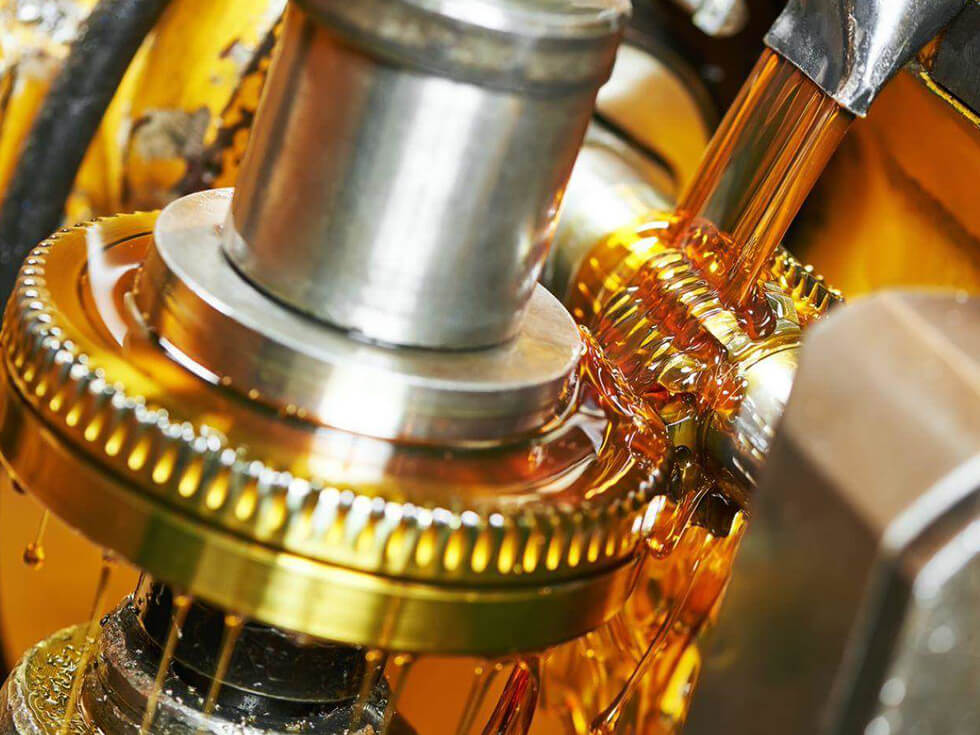
Stainless steel is a difficult material to machine: it traps heat at the cutting edge, work-hardens during cutting and tends to stick. These three traits make the right cutting fluid critical.
Why is it difficult?
- —Low heat conduction: Heat goes into the edge and part, not the chip → the tool burns fast.
- —Work hardening: A dull tool or a pause hardens the surface; the next pass struggles more.
- —Built-up edge (BUE): Chips weld to the edge and the surface degrades.
Lubrication or cooling?
Stainless needs both strong lubrication (to reduce sticking and friction) and enough cooling. Therefore:
- —Heavy operations (tapping, broaching, deep-hole): High-EP neat cutting oil or high-concentration emulsion.
- —General turning/milling: A well-lubricating, high-concentration (8–10%) semi-synthetic/emulsion.
Tips
- —Keep concentration higher than usual; stainless wants rich lubrication.
- —Uninterrupted chips and steady feed; a pause causes work hardening.
- —Abundant, well-aimed fluid; it must reach the tool–chip zone.
- —Chlorine-free EP additives are preferred for environment/cleanliness (per process needs).
- —Use sharp, coated inserts; a dull edge means heat and hardening.
Corrosion and staining
Even stainless can stain with the wrong fluid; low pH or chlorine residue leaves marks on the surface. Post-process cleaning and proper protection should be planned.
Summary
Success in stainless is the balance of high lubrication + enough cooling + correct concentration + a sharp tool. Ahmet Ceviz determines the fluid that fits your stainless operation; try it on one machine with a sample.