
Neat Cutting Oil or Soluble (Water-Based) Oil? Differences and Choice
A comparison of the two fluid families on cooling, lubrication, cost and maintenance — and which wins in which operation.
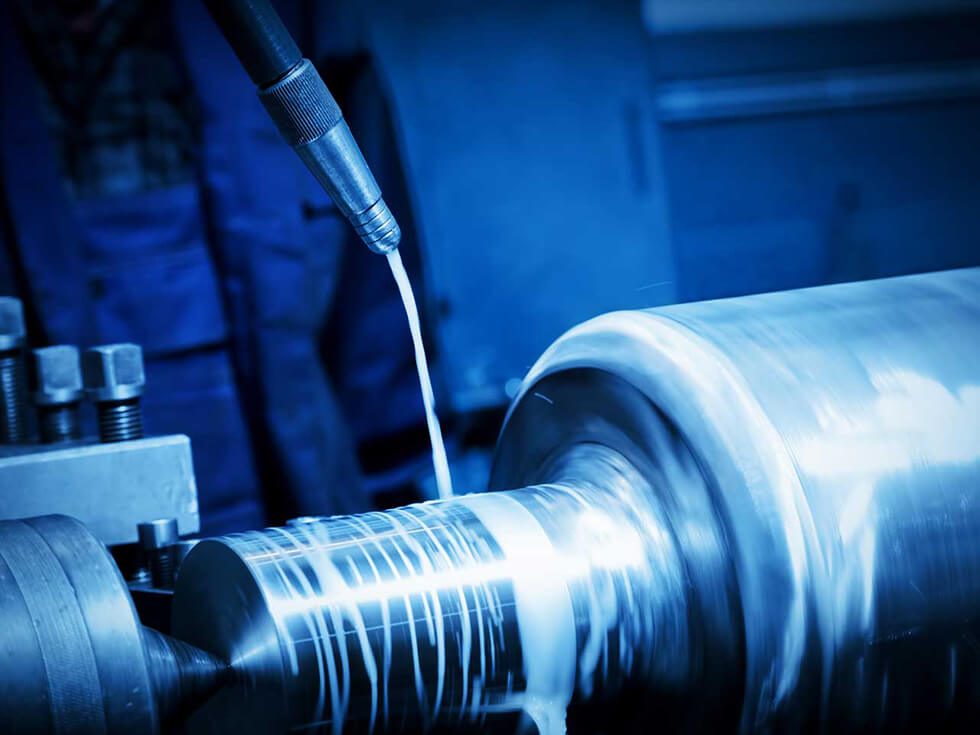
Metalworking fluids split into two main families: neat cutting oils and water-soluble (emulsion/soluble) oils. The right family depends on whether the operation needs cooling or lubrication.
The core difference: cooling or lubrication?
Water draws heat very well. So water-based fluids lead in high-speed jobs where heat is the problem (turning, milling, grinding). Neat oil provides the superior lubricating film that water cannot; it wins in heavy-load, low-speed jobs where surface quality is critical (tapping, broaching, honing, gear cutting).
Comparison
- —Cooling: Water-based ✔ superior · Neat oil limited
- —Lubrication / finish: Neat oil ✔ superior · Water-based moderate
- —Speed: Water-based high · Neat oil low–moderate
- —Cost (per litre): Water-based low (diluted with water) · Neat oil high
- —Maintenance: Water-based required (concentration/pH) · Neat oil almost none
- —Smoke/odour: Neat oil risks misting at high speed · Water-based risks odour/bacteria
Which one when?
- —High-tempo serial machining, heat problem → water-based
- —Stainless tapping, honing, gears, deep holes → neat oil
- —Mixed shop → mostly a water-based central system + neat oil on the critical machine
When switching over
When moving from neat to water-based or vice versa, sump cleaning, seal/paint compatibility and commissioning matter. A wrong changeover ends in foam, leaks and rust.
Ahmet Ceviz looks at your operation and sets the right family and concentration. A comparative sample trial gives the clearest result.