
Wire Drawing Fluids: Lubrication in Copper and Steel Wire Drawing
In wire drawing, lubrication decides wire quality, die life and speed. Dry and wet drawing, and different approaches for copper and steel.
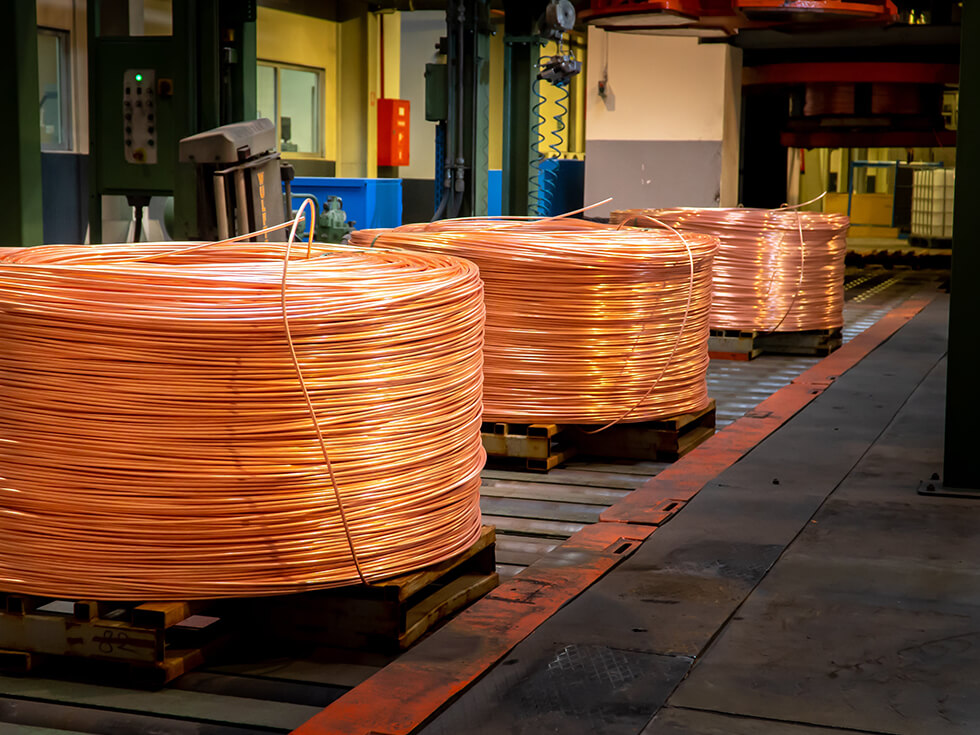
Wire drawing thins the wire by pulling it under high pressure through a die. Without lubrication: the wire surface degrades, the die wears, the wire breaks and speed drops. The right fluid varies by material and drawing method.
Dry or wet drawing?
- —Dry drawing: Powder/soap-based dry lubricants are used; common for thick wire and high reduction ratios.
- —Wet drawing: The wire is drawn inside the fluid; preferred for fine wire and high speed for cooling and a clean surface.
For copper wire
Copper is soft and sensitive to staining/oxidation. So a copper wire drawing fluid needs good cooling, low sludge, a non-staining, non-oxidising formula and good filterability. Contaminated fluid directly lowers surface quality.
For steel wire
Steel needs higher drawing force and extreme-pressure (EP) lubrication. Dry soap is common for thick steel wire, oil/emulsion for fine wire. Die life and wire surface depend directly on the lubricating film.
General points
- —Filtration: Metal fines and sludge must be removed continuously.
- —Cooling: Heat management at high speed protects wire and die.
- —Concentration/cleanliness: Regular measurement and maintenance in emulsion systems.
- —Die compatibility: Fluid choice suited to diamond/carbide dies.
Summary
The right wire drawing fluid is set by material (copper/steel), method (dry/wet) and wire diameter; this is general guidance and the exact recommendation depends on your process. Ahmet Ceviz offers a sample and on-site assessment to determine the fluid that fits your plant.